7 Tips to Grow Your Self-Confidence sets the stage for this enthralling narrative, offering readers a glimpse into a story that is rich in detail with casual formal language style and brimming with originality from the outset.
Self-confidence is not just a trait; it’s a superpower that propels individuals towards success and fulfillment. This guide unveils practical strategies to boost your self-esteem and conquer self-doubt with precision and clarity.
Importance of Self-Confidence

Self-confidence plays a crucial role in personal growth as it empowers individuals to believe in their abilities, take on challenges, and strive for success. When one possesses self-confidence, they are more likely to overcome obstacles, pursue their goals, and handle setbacks effectively.
Positive Impact of Self-Confidence
Self-confidence can positively impact various aspects of life, including career, relationships, and mental health. In the professional realm, individuals with self-confidence are more likely to take on leadership roles, excel in their work, and seize opportunities for growth. In relationships, self-confident individuals are better equipped to communicate effectively, set boundaries, and maintain healthy connections with others. Moreover, self-confidence is closely linked to mental health, as it allows individuals to cope with stress, anxiety, and uncertainty in a more resilient manner.
Relationship Between Self-Confidence and Success
Self-confidence is a key determinant of success in different areas of life. In the career realm, individuals with high self-confidence are more likely to take risks, make bold decisions, and achieve their professional goals. In relationships, self-confidence enables individuals to establish strong connections, express themselves authentically, and build trust with others. Furthermore, self-confidence plays a significant role in mental health by fostering a positive self-image, resilience, and emotional well-being.
Practical Tips to Boost Self-Confidence
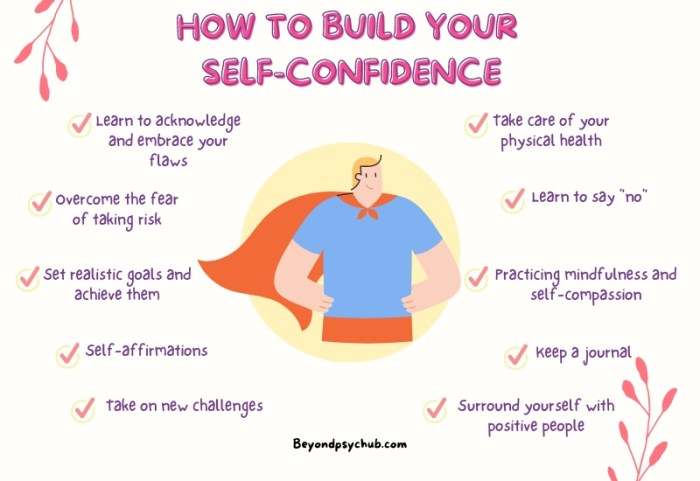
Building self-confidence is a journey that requires consistent effort and practice. Here are some practical tips to help you boost your self-esteem and self-assurance:
1. Practice Self-Care
Taking care of yourself physically, mentally, and emotionally is crucial for building self-confidence. Make sure to get enough rest, eat well, exercise regularly, and engage in activities that bring you joy and relaxation.
2. Use Positive Affirmations
Start your day by affirming positive statements about yourself. Repeat phrases like “I am confident,” “I believe in myself,” and “I am worthy” to reinforce positive self-talk and challenge negative thoughts.
3. Set Achievable Goals
Setting realistic and achievable goals can help you build confidence as you accomplish them. Break down big goals into smaller, manageable tasks, and celebrate your progress along the way.
4. Step Out of Your Comfort Zone
Challenge yourself to try new things and face your fears. Stepping out of your comfort zone can help you build resilience, adaptability, and confidence in your abilities to overcome obstacles.
5. Surround Yourself with Supportive People
Surround yourself with people who uplift and encourage you. Seek out friends, family members, or mentors who believe in you and support your growth and development.
6. Practice Mindfulness and Meditation
Mindfulness and meditation can help you stay present, reduce stress, and increase self-awareness. Taking time to quiet your mind and focus on the present moment can improve your overall sense of well-being and confidence.
7. Seek Professional Help if Needed
If you’re struggling with low self-confidence, consider seeking help from a therapist or counselor. Professional support can provide you with tools, strategies, and insights to address underlying issues and build a stronger sense of self-worth.
Overcoming Self-Doubt and Fears
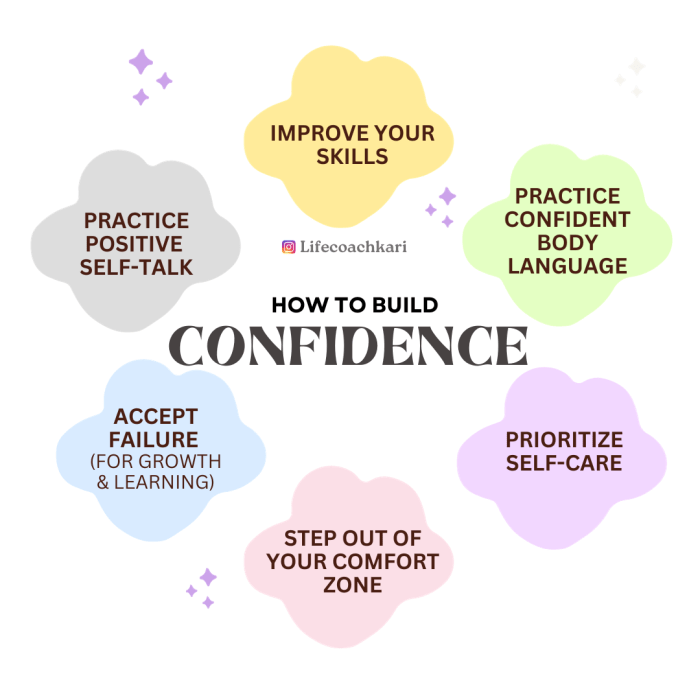
Self-doubt and fears are common barriers that can hinder self-confidence and personal growth. It’s important to recognize these negative thoughts and beliefs in order to overcome them effectively.
Identifying Common Sources of Self-Doubt and Fears
- Comparing yourself to others: Constantly measuring your worth based on others can lead to self-doubt.
- Past failures or rejections: Holding onto past mistakes can create fear of failure in the future.
- Negative self-talk: Internalizing negative thoughts can perpetuate self-doubt and fears.
- Perfectionism: Setting unrealistic standards for yourself can breed self-doubt.
Strategies for Overcoming Negative Self-Talk and Limiting Beliefs
- Practice self-compassion: Treat yourself with kindness and understanding, challenging negative thoughts with positive affirmations.
- Acknowledge your strengths: Focus on your accomplishments and capabilities to build self-confidence.
- Challenge limiting beliefs: Replace negative beliefs with empowering and realistic perspectives.
- Seek support: Talk to a trusted friend, mentor, or therapist to gain perspective and encouragement.
Importance of Facing Fears and Stepping out of Comfort Zones
- Personal growth: By confronting fears and stepping out of comfort zones, you can expand your abilities and build resilience.
- Increased self-confidence: Overcoming challenges and fears boosts self-esteem and belief in your capabilities.
- New opportunities: Embracing discomfort can lead to new experiences and opportunities for growth.
- Embracing failure: Viewing failure as a learning experience rather than a reflection of your worth can help you move past fears.
Closing Summary

As we conclude this exploration of self-confidence, remember that nurturing your belief in yourself is a journey worth embarking on. By implementing these tips, you pave the way for a more empowered and confident version of yourself.