Embark on a journey with 4 Easy Science Experiments to Grow Your Child’s Love for STEM, diving into interactive learning experiences that spark curiosity and enthusiasm for science and technology.
Explore the wonders of hands-on experiments designed to captivate young minds and nurture a lifelong passion for STEM subjects.
Introduction to STEM Experiments
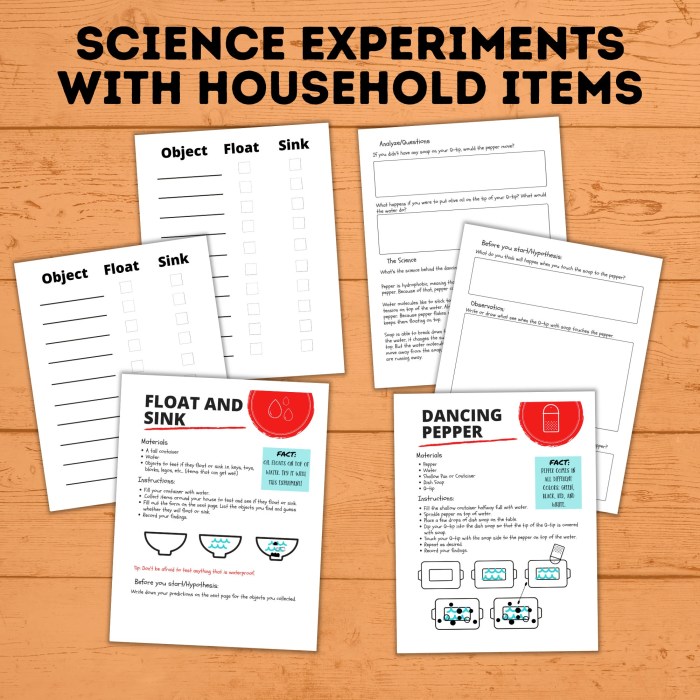
Introducing children to STEM (Science, Technology, Engineering, and Mathematics) at an early age is crucial for their overall development and future success. STEM subjects are at the forefront of innovation and play a significant role in shaping the world we live in today.
Science experiments provide a hands-on approach to learning that can spark curiosity, creativity, and critical thinking in children. By engaging in hands-on activities, kids can explore the principles of STEM in a fun and interactive way, making learning more engaging and enjoyable.
The Importance of Hands-On Learning
Hands-on learning through science experiments offers numerous benefits for children’s development. It allows them to see the real-world applications of STEM concepts, fostering a deeper understanding of how things work. Additionally, hands-on experiments help children develop problem-solving skills, improve their motor skills, and enhance their ability to think critically and analytically.
Balloon Rocket Experiment
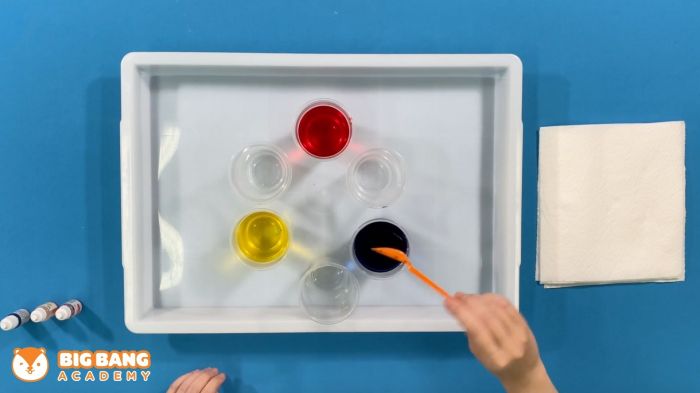
The balloon rocket experiment is a fun and engaging way to teach children about the principles of motion and propulsion. By understanding how air pressure and thrust work together, kids can learn valuable STEM concepts through hands-on experience.To set up the balloon rocket experiment, follow these steps:
1. Gather materials
You will need a long piece of string, a straw, tape, a balloon, and scissors.
- Thread the string through the straw and tie it securely between two anchor points (e.g., chairs).
- Inflate the balloon and attach it to the end of the straw using tape.
- Make sure the balloon is secured, then release it to see the rocket in action.
Scientific Principles
The balloon rocket moves forward due to Newton’s Third Law of Motion, which states that for every action, there is an equal and opposite reaction. As the balloon deflates and releases air backward, the rocket moves forward in the opposite direction.
Variations for Different Age Groups
For younger children:
- Use a shorter string and larger balloon for a more dramatic effect.
- Encourage them to decorate the balloon or straw to personalize their rocket.
For older children:
- Introduce the concept of air resistance and how it affects the rocket’s speed.
- Challenge them to experiment with different straw lengths or balloon sizes to see how it impacts the rocket’s distance traveled.
Rainbow Density Column Experiment
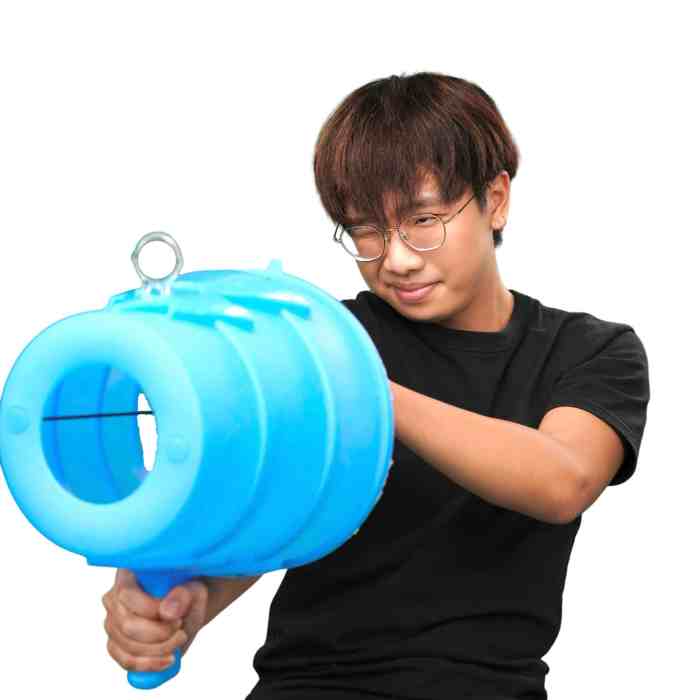
In the Rainbow Density Column Experiment, you will create a visually stunning display of different liquids with varying densities.
Materials Needed:
- Clear container or tall glass
- Corn syrup
- Dish soap
- Water
- Vegetable oil
- Rubbing alcohol
- Honey
- Food coloring (various colors)
- Pipettes or droppers
Concept of Density:
Density is a measure of how much mass is contained in a given volume. In the Rainbow Density Column, liquids with higher densities will sink below those with lower densities. This creates distinct layers within the column based on the density of each liquid.
Tips for Creating Vibrant Layers:
- Start with the liquid with the highest density at the bottom of the container.
- Slowly pour each liquid on top of the previous layer using a pipette or dropper to prevent mixing.
- Add food coloring to each liquid to create vibrant and distinct layers.
- Allow each layer to settle before adding the next one to maintain the integrity of the column.
- Experiment with different liquids and colors to achieve a visually appealing rainbow effect.
Final Summary

In conclusion, these engaging science experiments offer a gateway to a world of discovery and innovation, paving the way for young learners to embrace the exciting realms of STEM with eagerness and joy.