Embark on a journey to discover 6 powerful strategies that can transform your business through influencer marketing, propelling your brand to new heights of success.
Uncover the secrets behind leveraging influencers to expand your reach and strengthen your brand’s presence in the market.
The Importance of Influencer Marketing for Business Growth

Influencer marketing has become a powerful strategy for businesses looking to expand their reach and increase brand awareness. By partnering with individuals who have a strong following and influence on social media platforms, businesses can tap into new audiences and connect with potential customers in a more authentic way.
Impact on Businesses
- Increased Credibility: When influencers promote a product or service, their followers perceive it as a trustworthy recommendation, enhancing the credibility of the brand.
- Expanded Reach: Influencers have a dedicated following that can help businesses reach a larger audience, including demographics that may be difficult to target through traditional marketing channels.
- Engagement and Interaction: Influencer marketing allows for direct engagement with consumers through comments, likes, and shares, fostering a sense of community around the brand.
Successful Examples
- Daniel Wellington: The watch brand saw exponential growth by collaborating with fashion influencers on Instagram, leading to a surge in sales and brand visibility.
- SugarBearHair: Through partnerships with beauty influencers, the brand gained traction on social media and became a household name in the haircare industry.
Reaching a Wider Audience
Influencer marketing enables businesses to connect with diverse audiences by leveraging the influencer’s unique voice and style to resonate with different consumer segments. This approach helps in breaking through the clutter of traditional advertising and capturing the attention of potential customers who are actively engaged with the influencer’s content.
Strategies for Implementing Influencer Marketing
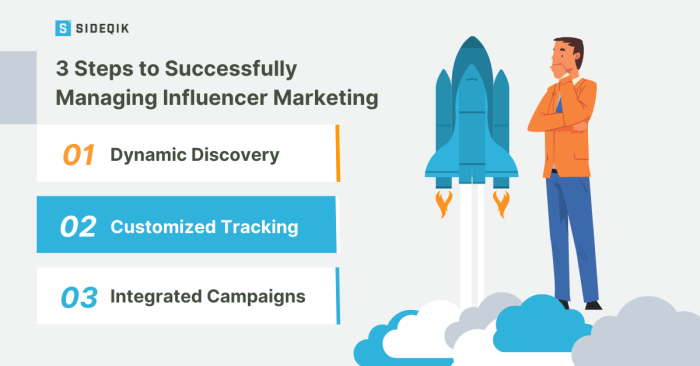
Implementing influencer marketing can be a powerful strategy for growing your business. Here are some key strategies to consider:
Identifying the Right Influencers for Your Business Niche
When selecting influencers to collaborate with, it’s essential to find individuals who align with your brand values and target audience. Here are some ways to identify the right influencers:
- Look for influencers who have a strong following in your specific niche.
- Consider their engagement rates and authenticity of their content.
- Check if their audience demographics match your target market.
- Review their past collaborations and partnerships to ensure they are a good fit for your brand.
Setting Clear Goals and Objectives
Before starting an influencer marketing campaign, it’s crucial to establish clear goals and objectives. This will help you measure the success of your campaign and ensure that you are targeting the right audience. Some goals to consider include:
- Increase brand awareness
- Drive website traffic
- Generate leads or sales
- Build brand credibility and trust
Types of Influencer Collaborations
There are different ways to collaborate with influencers, each serving a unique purpose in your marketing strategy. Some common types of influencer collaborations include:
- Sponsored Content: Influencers create content featuring your products or services in exchange for payment.
- Affiliate Marketing: Influencers promote your products and earn a commission for each sale made through their unique affiliate link.
- Ambassador Programs: Establish long-term partnerships with influencers to represent your brand consistently over time.
Best Practices for Leveraging Influencer Marketing

Building authentic relationships with influencers is crucial for long-term partnerships in influencer marketing. It’s important to establish trust, mutual respect, and clear communication with influencers to ensure a successful collaboration. This can lead to more genuine content creation and better results for your business.
Measuring Success through Key Performance Indicators (KPIs)
- Engagement Rate: Monitor likes, comments, shares, and overall interaction on influencer posts to gauge audience engagement.
- Click-Through Rate (CTR): Track how many users click on the links shared by influencers to measure traffic to your website or landing page.
- Conversion Rate: Measure the number of conversions or sales generated from influencer-driven campaigns to evaluate ROI.
- Reach and Impressions: Analyze the reach and impressions of influencer content to understand the visibility and impact on your target audience.
Importance of Transparency and Disclosure
- Be Transparent: Clearly disclose any sponsored content or partnerships between your business and influencers to maintain credibility and trust with your audience.
- Comply with Regulations: Adhere to FTC guidelines and other regulatory requirements regarding influencer marketing to avoid legal issues and maintain ethical standards.
- Educate Influencers: Ensure that influencers understand the importance of transparency and disclosure in their content to align with your brand values and guidelines.
Closure

In conclusion, integrating influencer marketing into your business can be a game-changer, fueling growth and fostering valuable connections that drive lasting success.