3 Creative Ideas to Grow Your Garden in Containers sets the stage for this enthralling narrative, offering readers a glimpse into a story that is rich in detail with casual formal language style and brimming with originality from the outset.
From repurposing household items to maximizing space with vertical gardening, this guide delves into innovative ways to nurture your garden in containers.
Creative Container Ideas
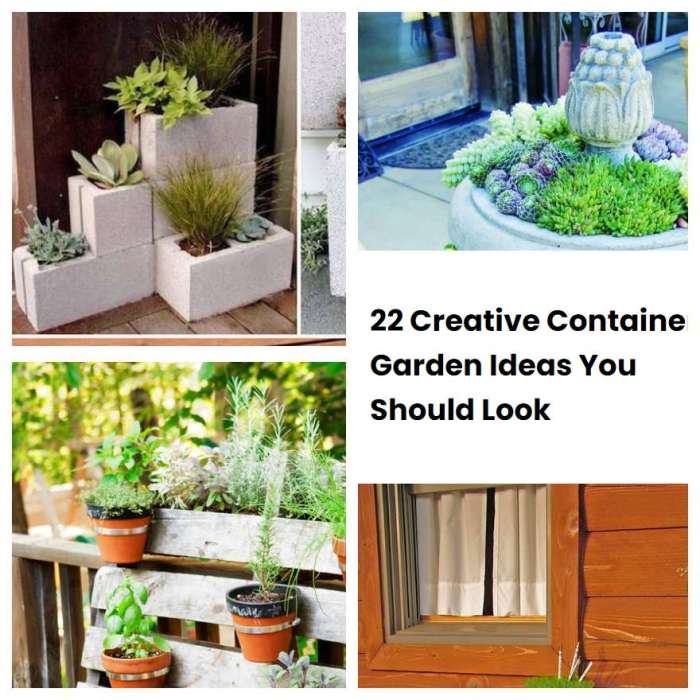
When it comes to gardening in containers, thinking outside the box can lead to some truly creative and innovative solutions. Here are three ideas to repurpose household items as containers for your garden:
Vertical Gardening
Vertical gardening is a fantastic way to maximize space in small containers. By utilizing vertical space, you can grow more plants in a smaller footprint. Consider using items like shoe organizers, pallets, or hanging pockets to create a vertical garden that is both functional and visually appealing.
Hanging Baskets
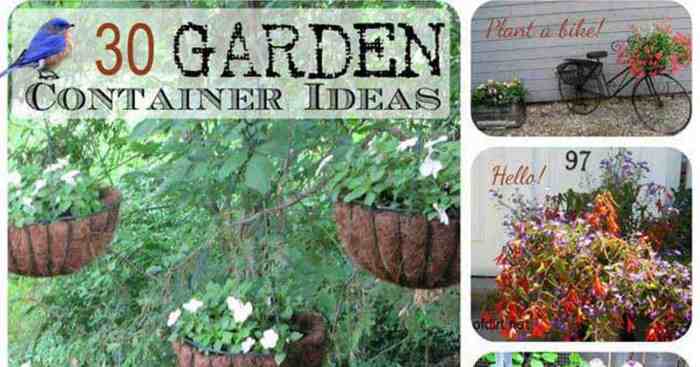
Using hanging baskets is another great option for gardening in limited spaces. Hanging baskets can be hung from hooks or rails, allowing you to grow plants at different heights and utilize overhead space. This is especially beneficial for trailing plants like strawberries or cherry tomatoes.
Plant Selection and Arrangement
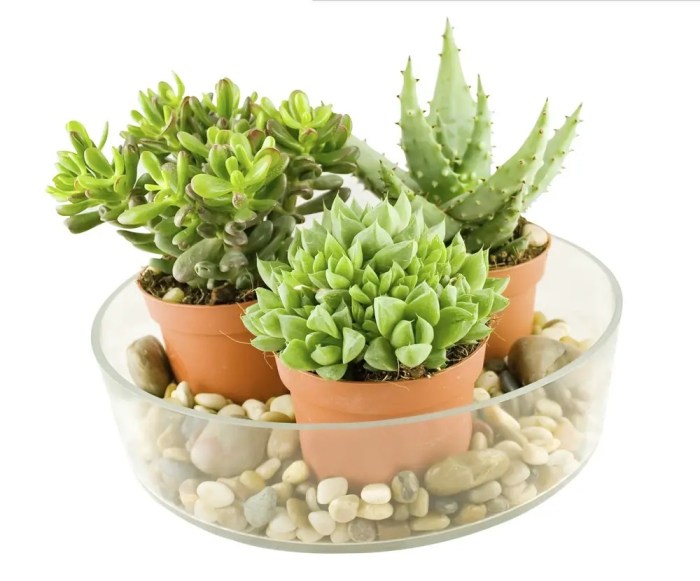
When it comes to growing plants in containers, selecting the right plants and arranging them properly can make a significant difference in the success of your container garden. Here, we will explore three types of plants that thrive in container gardens, compare spacing between plants, and discuss the concept of companion planting.
Types of Plants for Container Gardens
- Herbs: Herbs like basil, rosemary, and mint are excellent choices for container gardens. They require minimal space and can be easily accessed for culinary use.
- Flowers: Many flowers, such as petunias, geraniums, and marigolds, do well in containers. They add color and beauty to small spaces.
- Vegetables: Vegetables like tomatoes, peppers, and lettuce can also thrive in containers. Just make sure to choose compact varieties that are suitable for container growth.
Ideal Spacing Between Plants
When arranging plants in containers, it is essential to consider the spacing between them to ensure optimal growth. While this may vary depending on the specific plants you are growing, a general rule of thumb is to provide enough space for each plant to spread out and receive adequate sunlight and nutrients.
Companion Planting in Container Gardening
Companion planting involves growing different plants together to benefit each other in various ways. In container gardening, companion planting can help deter pests, improve pollination, and optimize space utilization. For example, planting basil near tomatoes can enhance the flavor of the tomatoes and repel pests that affect tomato plants.
Maintenance and Care Tips
When it comes to container gardening, proper maintenance and care are essential for the health and growth of your plants. From creating a self-watering system to ensuring proper drainage and monitoring overall plant health, here are some tips to help you keep your container garden thriving.
Creating a Self-Watering System
One of the most convenient ways to ensure your container plants receive adequate water is by setting up a self-watering system. Follow these steps to create your own self-watering system:
- Choose a reservoir container that fits beneath your plant’s pot.
- Place a wicking material, such as a nylon rope or fabric strip, in the potting mix with one end submerged in the reservoir.
- Fill the reservoir with water and monitor the water level to ensure consistent moisture for your plants.
Importance of Proper Drainage
Proper drainage is crucial in container gardening to prevent waterlogging, which can lead to root rot and other plant diseases. Here’s how you can achieve proper drainage:
- Use containers with drainage holes at the bottom to allow excess water to escape.
- Add a layer of gravel or broken pottery pieces at the bottom of the container before adding potting mix to improve drainage.
- Avoid overwatering your plants and ensure that water flows freely through the drainage holes.
Fertilizing and Monitoring Plant Health
Container plants require regular fertilization to replenish nutrients that may get depleted quickly in confined spaces. Here are some tips for fertilizing and monitoring your plants’ health:
- Choose a balanced fertilizer specifically formulated for container plants and follow the instructions for application.
- Monitor your plants for any signs of nutrient deficiencies, pest infestations, or diseases, and take action promptly.
- Regularly check the soil moisture levels and adjust your watering schedule as needed to prevent over- or under-watering.
Conclusive Thoughts
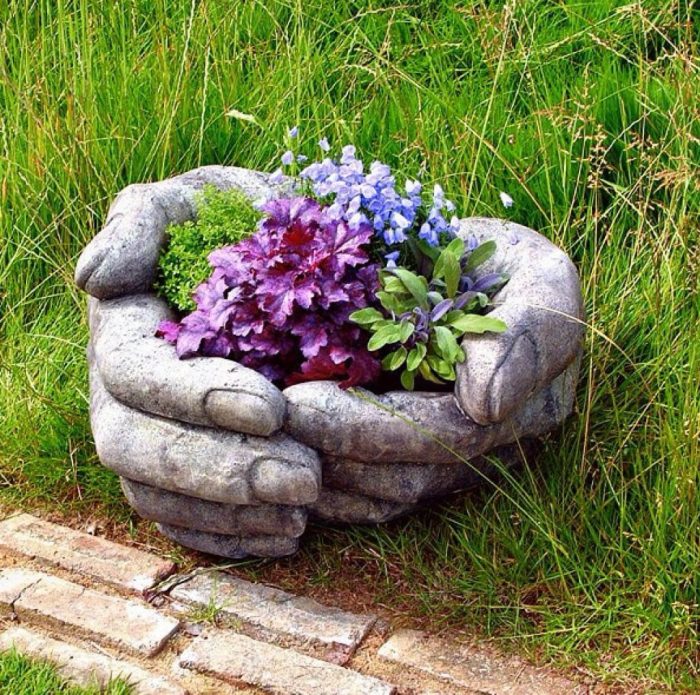
As we conclude our exploration of 3 Creative Ideas to Grow Your Garden in Containers, remember to experiment, have fun, and watch your container garden flourish with these creative tips at your disposal.