Embark on a journey towards sustainable business growth with these 8 essential steps. From implementing sustainable practices to building a solid business model, discover the key strategies for success in this dynamic field.
Steps to Implement Sustainable Business Practices
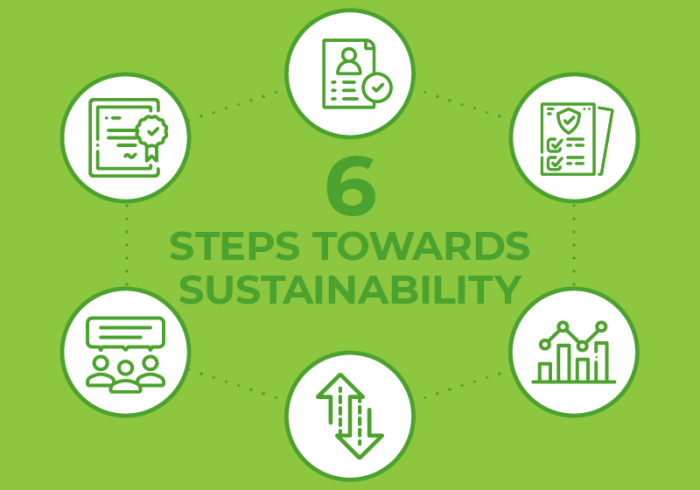
Implementing sustainable business practices is crucial for the long-term success and growth of a company. These practices focus on minimizing negative environmental impacts, promoting social responsibility, and ensuring economic viability. By adopting sustainable initiatives, businesses can not only reduce their carbon footprint but also attract environmentally conscious customers and investors.
Examples of Sustainable Initiatives
- Investing in renewable energy sources such as solar panels or wind turbines to reduce reliance on fossil fuels.
- Implementing a recycling program to minimize waste and promote a circular economy.
- Using environmentally friendly materials in product packaging and reducing single-use plastics.
- Supporting local communities through charity partnerships or fair trade practices.
The Importance of Sustainability in Business Growth
Sustainability is no longer just a trend but a necessity for businesses looking to thrive in a competitive market. Consumers are increasingly demanding eco-friendly products and services, and companies that prioritize sustainability are more likely to attract and retain customers. Additionally, sustainable practices can lead to cost savings through energy efficiency and waste reduction, ultimately contributing to long-term profitability and growth.
Strategies for Scaling a Business Sustainably

When it comes to scaling a business sustainably, there are key factors that need to be considered to ensure long-term success.
Traditional growth approaches often focus solely on increasing profits and market share, sometimes at the expense of environmental or social impact. In contrast, sustainable growth strategies prioritize not only financial gains but also the well-being of employees, communities, and the planet.
Identifying Key Factors for Sustainable Scaling
When scaling a business sustainably, it’s essential to consider factors such as:
- The environmental impact of growth
- Social responsibility and ethical practices
- Employee well-being and development
- Community engagement and support
Comparing Traditional vs. Sustainable Growth Approaches
Traditional growth approaches often prioritize short-term gains over long-term sustainability. On the other hand, sustainable growth strategies focus on creating value for all stakeholders, not just shareholders. By considering the impact on the environment, society, and future generations, sustainable businesses can build resilience and lasting success.
Tips for Maintaining Sustainability During Expansion
As a business scales, it’s crucial to maintain sustainability by:
- Setting clear sustainability goals and integrating them into business operations
- Engaging with stakeholders to understand their needs and concerns
- Investing in renewable energy sources and eco-friendly practices
- Measuring and reporting on sustainability metrics to track progress
Building a Sustainable Business Model
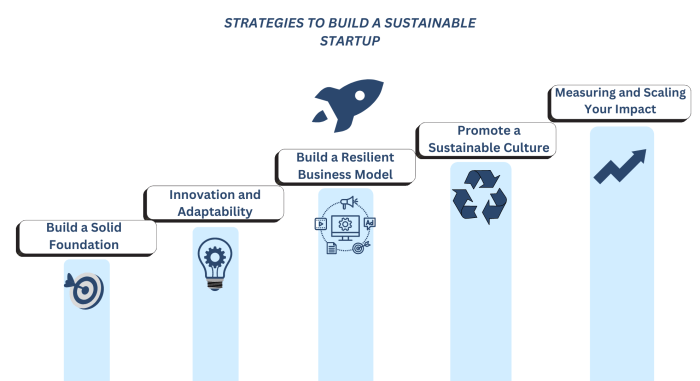
Building a sustainable business model is essential for long-term success and positive impact on the environment and society. It involves creating a framework that not only generates profits but also considers social and environmental factors. Here are some key components and strategies to integrate sustainability into every aspect of the business:
Components of a Sustainable Business Model
- Clear Mission and Values: Define a clear purpose and set of values that align with sustainability goals.
- Stakeholder Engagement: Involve all stakeholders, including employees, customers, suppliers, and the community, in decision-making processes.
- Resource Efficiency: Optimize the use of resources to minimize waste and reduce environmental impact.
- Long-Term Perspective: Focus on long-term growth and impact rather than short-term profits.
Integrating Sustainability into Every Aspect of the Business
- Product Design: Develop products with sustainable materials and processes to reduce environmental footprint.
- Supply Chain Management: Partner with ethical suppliers and ensure transparency and accountability throughout the supply chain.
- Employee Engagement: Create a culture of sustainability within the organization and empower employees to contribute to sustainability initiatives.
- Community Impact: Engage with the local community and support social causes to create a positive impact beyond the business.
Examples of Successful Companies with Sustainable Business Models
- Patagonia: Known for its commitment to environmental sustainability, Patagonia integrates sustainability into every aspect of its business, from sourcing materials to promoting activism.
- Unilever: Unilever has set ambitious sustainability goals, including reducing its environmental footprint and improving the health and well-being of people around the world.
- TOMS: With its “One for One” model, TOMS donates a pair of shoes for every pair purchased, demonstrating a commitment to social impact and sustainability.
Conclusion
In conclusion, mastering the art of sustainable business growth is not just about profits but also about creating a lasting impact. By following these steps, you can pave the way for a successful and sustainable future in the business world.