As 6 Ways to Grow Your Business with Paid Advertising takes center stage, this opening passage beckons readers with a compelling overview of how leveraging paid advertising can propel business growth to new heights. Dive into the world of digital marketing strategies and discover the key to expanding your business reach and success.
Explore the different platforms, strategies, and best practices that will set your business on a path to increased ROI and sustainable growth.
Importance of Paid Advertising for Business Growth
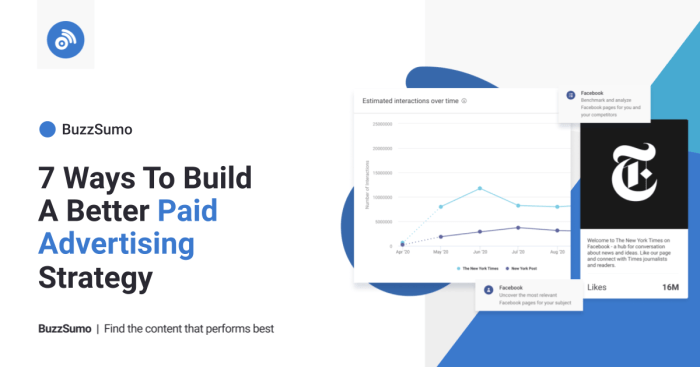
In today’s competitive market, paid advertising plays a crucial role in the growth and success of businesses. It allows companies to reach a larger audience, increase brand visibility, and drive conversions effectively.
Reaching a Wider Audience
One of the main benefits of paid advertising is the ability to reach a wider audience compared to organic methods. Through targeted campaigns on platforms like Google Ads, Facebook Ads, or Instagram Ads, businesses can connect with potential customers who may not have discovered them otherwise.
Examples of Successful Businesses
- Amazon: Amazon uses paid advertising extensively to promote its products and services, resulting in increased sales and market share.
- Square: Square utilized paid advertising to expand its customer base and grow its payment processing business rapidly.
- Netflix: Netflix leverages paid advertising to promote its original content and attract new subscribers, contributing to its global success.
Different Paid Advertising Platforms and Strategies
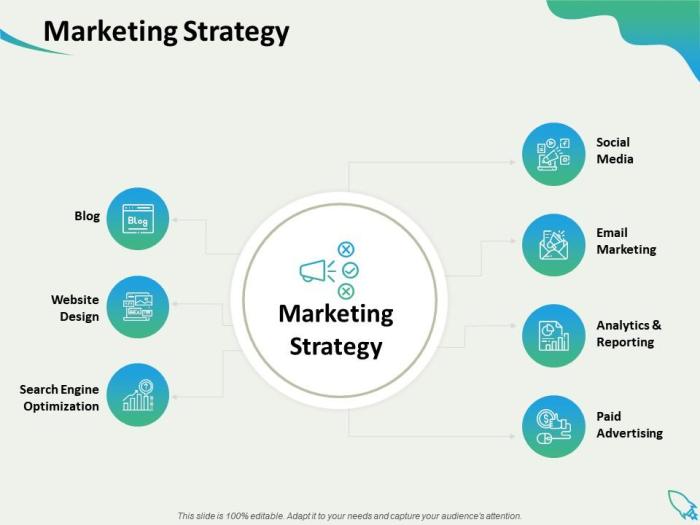
When it comes to growing your business with paid advertising, choosing the right platform and strategy is crucial. Let’s compare and contrast popular paid advertising platforms such as Google Ads, Facebook Ads, and Instagram Ads to help you make an informed decision.
Google Ads
Google Ads, formerly known as Google AdWords, is a powerful platform that allows you to display ads on Google’s search engine results pages and across its vast network of partner websites. Here are the pros and cons:
- Pros:
- Reach a large audience actively searching for products or services.
- Highly targeted advertising based on s and user behavior.
- Various ad formats available, including text, display, and video ads.
- Cons:
- Can be competitive and costly, especially for popular s.
- Requires ongoing optimization and management to ensure effectiveness.
- May not be ideal for businesses with limited budgets.
Facebook Ads
With over 2.7 billion monthly active users, Facebook is a popular choice for businesses looking to reach a specific demographic. Here are the pros and cons of using Facebook Ads:
- Pros:
- Highly customizable targeting options based on demographics, interests, and behaviors.
- Offers various ad formats, including carousel, slideshow, and video ads.
- Great for building brand awareness and engagement with potential customers.
- Cons:
- Changes in Facebook’s algorithm can impact organic reach and ad performance.
- Competition for ad space can drive up costs, especially for certain industries.
- Requires consistent testing and optimization to achieve desired results.
Instagram Ads
As a visually-driven platform with over 1 billion active users, Instagram offers a unique opportunity for businesses to showcase their products or services. Here’s what you need to know about Instagram Ads:
- Pros:
- High engagement rates due to the platform’s visual nature.
- Seamless integration with Facebook Ads Manager for easy campaign management.
- Various ad formats available, including photo, video, carousel, and Stories ads.
- Cons:
- May require high-quality visual content to stand out among users’ feeds.
- Competition for attention is fierce, especially in certain industries like fashion and beauty.
- Limited targeting options compared to Facebook Ads.
Best Practices for Maximizing ROI with Paid Advertising
When it comes to maximizing ROI with paid advertising, there are key steps that businesses can take to ensure their ad campaigns generate a high return on investment. By implementing these best practices, companies can optimize their advertising efforts and see better results.
Importance of A/B Testing and Optimizing Ad Performance
One of the crucial aspects of maximizing ROI with paid advertising is the importance of A/B testing. This involves creating multiple versions of an ad and testing them to see which one performs better. By analyzing the results of these tests, businesses can optimize their ad performance by focusing on the elements that drive the best results.
- Conduct A/B tests regularly to compare different ad creatives, copy, and targeting strategies.
- Use data-driven insights to make informed decisions about which ads to scale and which to pause.
- Continuously optimize ad performance based on the results of A/B tests to improve ROI over time.
Tracking and Analyzing Campaign Data
Another best practice for maximizing ROI with paid advertising is tracking and analyzing campaign data. By monitoring key metrics and analyzing campaign performance, businesses can gain valuable insights that can help them improve future advertising efforts.
- Utilize tracking tools like Google Analytics or Facebook Insights to monitor ad performance.
- Analyze key metrics such as click-through rates, conversion rates, and cost per acquisition to identify areas for improvement.
- Use data analysis to make data-driven decisions about ad spend and targeting to maximize ROI.
Final Wrap-Up

In conclusion, harnessing the power of paid advertising opens up endless possibilities for expanding your business horizons. By implementing the recommended strategies and platforms, you’re one step closer to achieving your business goals and securing long-term success in the competitive market landscape.