Embark on a journey to enhance your flexibility with 2 Simple Exercises to Grow Your Flexibility. Discover how these exercises can transform your body and improve your overall well-being.
Learn about the benefits, techniques, and tips that will help you on your path to increased flexibility and mobility.
Benefits of Flexibility Exercises
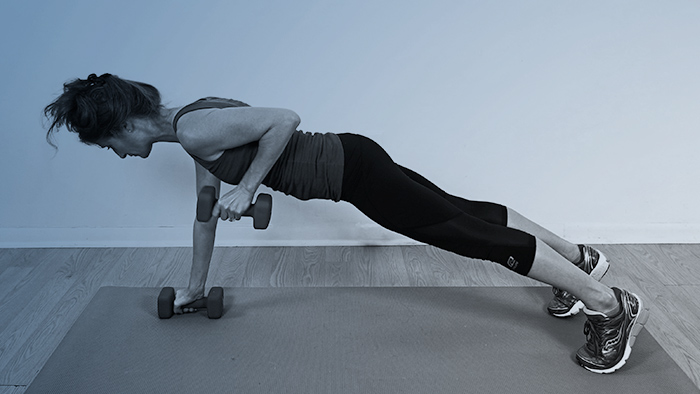
Flexibility exercises play a crucial role in maintaining overall health and well-being. By incorporating these exercises into your routine, you can experience a wide range of benefits that contribute to your physical fitness and quality of life.
Prevention of Injuries
- Improved flexibility helps to increase the elasticity of muscles and tendons, reducing the risk of strains and injuries during physical activities.
- Enhanced flexibility also promotes better joint health, preventing joint stiffness and enhancing overall mobility.
Impact on Posture and Range of Motion
- Flexibility exercises contribute to better posture by reducing muscle tightness and allowing for proper alignment of the spine and other skeletal structures.
- Increased flexibility leads to a broader range of motion in joints, which is essential for performing daily tasks and participating in various physical activities.
Crucial for Sports and Activities
- Athletes in sports like gymnastics, dance, martial arts, and yoga rely heavily on flexibility to execute movements with precision and avoid injuries.
- Certain activities such as swimming, running, and weightlifting also benefit from improved flexibility, enhancing performance and reducing the risk of muscle strains.
Top 2 Simple Exercises to Improve Flexibility

Improving flexibility can be achieved through a variety of exercises and stretches. Here are two simple exercises that can help you enhance your flexibility:
Performing a Basic Stretching Routine
A basic stretching routine involves targeting different muscle groups through a series of stretches. Start by warming up your muscles with light cardio or dynamic stretches. Then, focus on stretching major muscle groups like hamstrings, quadriceps, calves, and shoulders. Hold each stretch for 15-30 seconds and remember to breathe deeply throughout the stretches to enhance flexibility.
Incorporating Yoga Poses for Flexibility
Yoga poses are excellent for improving flexibility as they involve a combination of strength, balance, and flexibility. Poses like downward dog, child’s pose, and pigeon pose can help stretch and strengthen muscles, leading to increased flexibility over time. Incorporating yoga into your routine can also help improve posture and reduce the risk of injury.
Dynamic Stretching vs. Static Stretching
Dynamic stretching involves moving parts of your body through a full range of motion, while static stretching involves holding a stretch for a prolonged period. Dynamic stretching is great for warming up before exercise and improving flexibility through movement, while static stretching is beneficial for increasing flexibility by holding a stretch to lengthen muscles. Both types of stretching have their benefits, so incorporating a mix of dynamic and static stretches into your routine can help you achieve optimal flexibility gains.
Consistency is Key for Improving Flexibility
Consistency is crucial when it comes to improving flexibility. Regularly incorporating stretching exercises into your routine and gradually increasing the intensity and duration of your stretches can help you see significant improvements in flexibility over time. Remember to listen to your body, avoid pushing yourself too hard, and stay committed to your flexibility training to achieve lasting results.
Tips for Safely Increasing Flexibility

When it comes to improving flexibility, it’s important to do so safely to prevent any injuries and maximize results. Here are some tips to help you safely increase your flexibility:
Common Mistakes to Avoid During Flexibility Exercises
- Avoid bouncing or jerking movements during stretching, as this can lead to muscle strain or injury.
- Do not force your body into a stretch beyond its limits, as this can cause damage to the muscles or ligaments.
- Skipping warm-up exercises before stretching can increase the risk of injury, so make sure to prepare your body properly.
Warm-up Techniques to Prepare the Body for Stretching
It’s crucial to warm up your muscles before engaging in flexibility exercises to prevent injury and improve the effectiveness of your stretches. Some warm-up techniques include:
- Light cardio exercises like jogging or jumping jacks to increase blood flow to the muscles.
- Dynamic stretches such as arm circles or leg swings to gradually increase the range of motion in your joints.
- Foam rolling or using a massage ball to release tension in tight muscles before stretching.
Importance of Breathing Techniques During Stretching
Proper breathing techniques can help you relax into a stretch, improve blood flow, and enhance the effectiveness of your flexibility exercises. Remember to:
- Inhale deeply before starting a stretch to prepare your body.
- Exhale slowly as you move deeper into the stretch to release tension and increase flexibility.
- Focus on breathing steadily throughout the stretch to maintain a calm and relaxed state.
Guidance on When to Push Beyond Comfort Levels
Knowing when to push yourself further in a stretch and when to stop is crucial for safely increasing flexibility and preventing injury. Here’s some guidance:
- Pay attention to your body’s signals – discomfort is normal, but sharp pain is a sign to stop immediately.
- Gradually increase the intensity of your stretches over time, rather than trying to force immediate results.
- If you feel a stretch is too intense, back off slightly and focus on breathing deeply to relax into the position.
Conclusive Thoughts
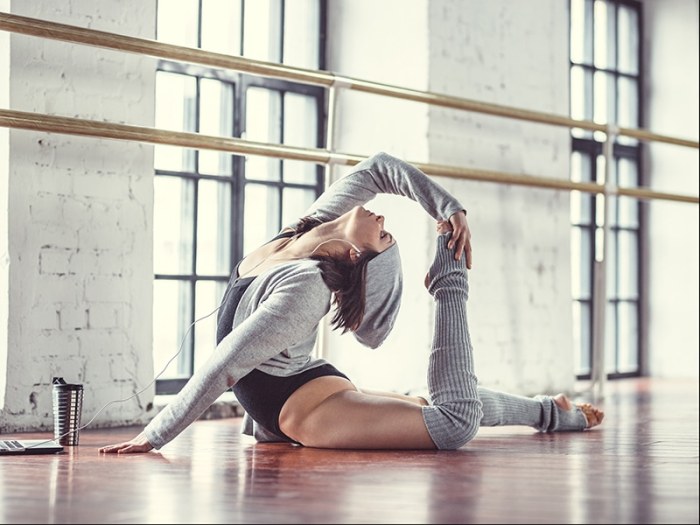
In conclusion, mastering these two simple exercises can lead to a more flexible and agile body. Embrace the changes and feel the difference in your daily life.