Embark on a journey to cultivate your own organic garden with these 6 essential steps. Learn the art of nurturing nature and reaping the rewards of sustainable living.
Discover the key principles behind organic gardening and unlock the secrets to a flourishing garden right in your backyard.
Benefits of Organic Gardening

Organic gardening involves using natural methods to grow plants without the use of synthetic chemicals. It is essential to choose organic methods for several reasons, including promoting environmental sustainability, protecting biodiversity, and ensuring the health of both consumers and the planet.
Improved Soil Health
Organic gardening can greatly improve soil health by promoting the growth of beneficial microorganisms and increasing soil fertility. By avoiding synthetic chemicals, organic gardeners allow the natural ecosystem of the soil to thrive, leading to healthier and more nutrient-rich soil for plants to grow in.
- Organic practices such as composting and crop rotation help maintain soil structure and prevent erosion, preserving the long-term health of the soil.
- Healthy soil leads to healthier plants with increased resistance to pests and diseases, reducing the need for chemical interventions.
Avoiding Synthetic Chemicals
By choosing organic gardening methods, you can avoid the harmful effects of synthetic chemicals on your health and the environment. Synthetic pesticides and fertilizers can contaminate water sources, harm beneficial insects, and disrupt the natural balance of ecosystems.
- Organic gardening promotes the use of natural pest control methods, such as companion planting and attracting beneficial insects, to manage pests without harmful chemicals.
- Organic produce is free from pesticide residues, making it safer and healthier for consumption.
Steps to Start Your Organic Garden
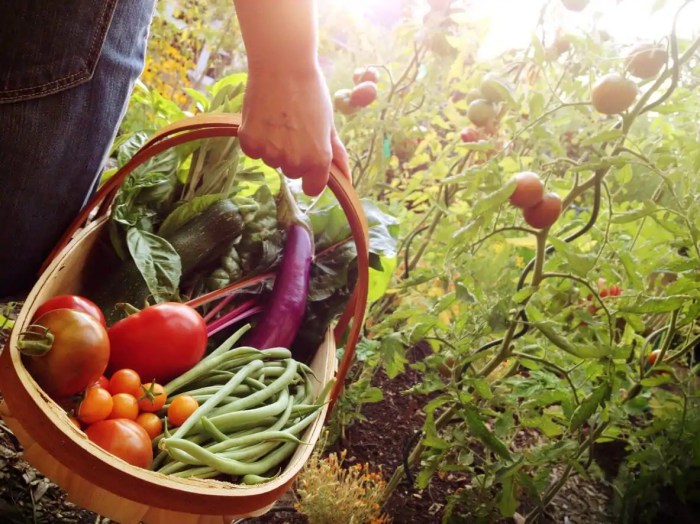
To begin your journey into organic gardening, it is essential to follow a series of steps that will ensure the success of your garden. From preparing the soil to selecting the right plants for your region, each step plays a crucial role in creating a thriving organic garden.
Preparing the Soil Organically
When starting your organic garden, one of the first steps is to prepare the soil in a natural and sustainable way. This involves avoiding the use of synthetic chemicals and fertilizers that can harm the environment and your plants. Instead, opt for organic compost, manure, and natural soil amendments to enrich the soil with essential nutrients and beneficial microorganisms.
- Begin by testing the pH level of your soil to determine its acidity or alkalinity.
- Amend the soil with compost or well-rotted manure to improve its structure and fertility.
- Avoid tilling the soil excessively to preserve its natural structure and prevent soil erosion.
Selecting the Right Plants for Your Region
Choosing the right plants for your specific region is crucial for the success of your organic garden. Consider factors such as climate, temperature, and sunlight exposure when selecting plants that are well-suited to thrive in your area.
- Research native plants that are adapted to your region’s climate and soil conditions.
- Consider planting a variety of vegetables, fruits, and herbs to create a biodiverse garden ecosystem.
- Choose disease-resistant plant varieties to minimize the need for pesticides and chemical treatments.
Planting Seeds or Seedlings in an Organic Garden
Whether you choose to plant seeds or seedlings in your organic garden, it is essential to follow best practices to ensure successful growth and development of your plants.
- Start seeds indoors or directly sow them in the garden, following the recommended planting depth and spacing.
- Transplant seedlings carefully, ensuring that they are well-established before planting them in the garden.
- Protect young plants from pests and harsh weather conditions by providing adequate shelter and care.
Proper Watering and Sunlight Exposure
Proper watering and sunlight exposure are essential factors for the health and growth of your organic garden plants. Maintaining a balance between water, sunlight, and nutrients will help your plants thrive and produce a bountiful harvest.
- Water your plants deeply and infrequently to encourage deep root growth and drought resistance.
- Monitor the moisture levels in the soil and adjust your watering schedule accordingly to prevent overwatering.
- Ensure that your plants receive adequate sunlight exposure based on their individual requirements for photosynthesis and growth.
Maintenance and Care for Your Organic Garden

Maintaining and caring for your organic garden is essential to ensure healthy plant growth and a bountiful harvest. By following organic practices, you can promote a thriving ecosystem in your garden while minimizing the use of harmful chemicals.
Organic Pest Control and Disease Prevention
- Regularly inspect your plants for any signs of pests or diseases. Early detection is key to preventing widespread infestations.
- Encourage beneficial insects such as ladybugs and lacewings to naturally control pest populations.
- Use organic pest control methods such as neem oil, insecticidal soap, or diatomaceous earth to manage pest issues.
- Practice crop rotation to reduce the risk of disease buildup in the soil.
Benefits of Mulching and Composting
- Mulching helps retain soil moisture, suppresses weeds, and adds organic matter to the soil as it breaks down.
- Composting kitchen scraps and garden waste provides nutrient-rich soil amendment for your plants.
- Compost improves soil structure, increases microbial activity, and enhances nutrient availability for plant uptake.
Maintaining Proper Nutrient Levels in the Soil
- Conduct soil tests regularly to assess nutrient levels and pH balance in the soil.
- Amend the soil with organic fertilizers such as compost, aged manure, or fish emulsion to replenish nutrients.
- Avoid over-fertilizing, as it can lead to nutrient imbalances and harm beneficial soil organisms.
Organic Weed Control Methods
- Hand pulling weeds regularly is an effective way to control weed growth without resorting to chemical herbicides.
- Use mulch to suppress weed growth by blocking sunlight and preventing weed seeds from germinating.
- Plant cover crops to outcompete weeds for resources and improve soil health.
Concluding Remarks
Master the art of organic gardening and witness your efforts bloom into a vibrant ecosystem of fresh produce and thriving plants. Take charge of your garden and embrace the beauty of sustainable living with these 6 simple yet impactful steps.