Embark on a journey to discover the art of growing your own mushrooms with this comprehensive guide. Learn how to reap the benefits of homegrown mushrooms while saving costs and contributing to a sustainable environment.
Explore the steps involved in creating the perfect mushroom growing space and master essential cultivation techniques for a successful harvest.
Benefits of Growing Your Own Mushrooms
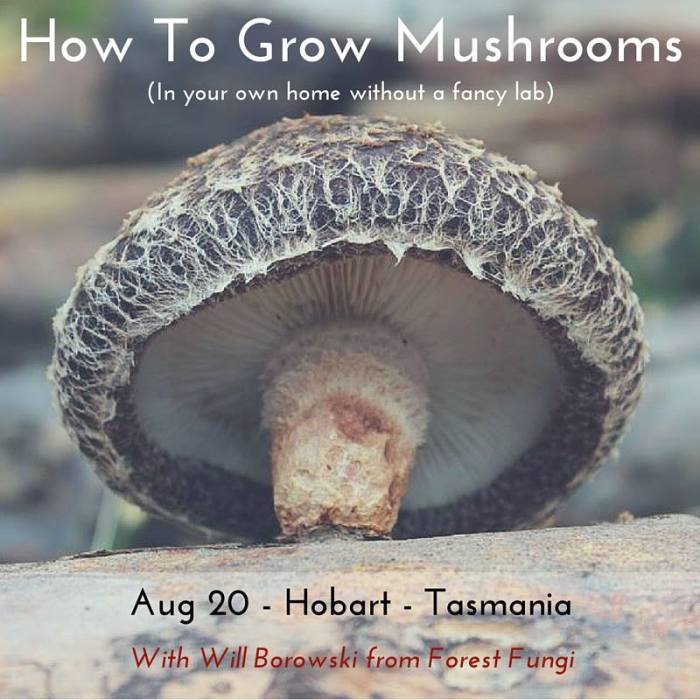
Growing your own mushrooms offers a wide array of benefits that go beyond just having a fresh supply of this versatile ingredient at your fingertips. Let’s explore the nutritional, cost-saving, and environmental advantages of cultivating mushrooms at home.
Nutritional Benefits
- Homegrown mushrooms are fresher and retain more nutrients compared to store-bought ones which may have been sitting on shelves for days.
- They are rich in essential vitamins and minerals such as vitamin D, potassium, and selenium, providing a healthy addition to your diet.
- Since you have full control over the growing process, you can ensure that no harmful chemicals or pesticides are used, resulting in a cleaner and safer product.
Cost Savings
- Growing your own mushrooms can be a cost-effective way to enjoy this gourmet ingredient without breaking the bank.
- By investing in a simple mushroom growing kit or setting up a DIY growing environment, you can harvest multiple batches of mushrooms at a fraction of the cost of buying them from the store.
- Over time, the savings can add up significantly, making home cultivation a budget-friendly option for mushroom enthusiasts.
Environmental Advantages
- Mushroom cultivation at home reduces the carbon footprint associated with transporting commercially-grown mushrooms to supermarkets.
- By using organic waste materials such as coffee grounds or straw as growing mediums, you can contribute to recycling and waste reduction efforts.
- Homegrown mushrooms require less packaging and eliminate the need for plastic containers, promoting a more sustainable approach to food production.
Setting Up a Mushroom Growing Space
Creating an ideal environment for mushroom cultivation is crucial for successful growth. Here is a step-by-step guide to help you set up a suitable space for growing mushrooms indoors.
Types of Containers or Setups
- Use plastic containers, grow bags, or even logs for different types of mushrooms.
- Consider a mushroom growing kit for beginners, as it provides everything you need in one package.
- Opt for a mushroom grow tent for a controlled environment with proper ventilation and humidity levels.
Ideal Temperature, Humidity, and Lighting Conditions
- Maintain a temperature between 55-75°F for most mushroom varieties, with slight variations depending on the type.
- Ensure high humidity levels (around 90%) by misting the growing area regularly or using a humidifier.
- Indirect natural light or artificial grow lights are suitable for mushroom growth, but avoid direct sunlight.
Mushroom Cultivation Techniques
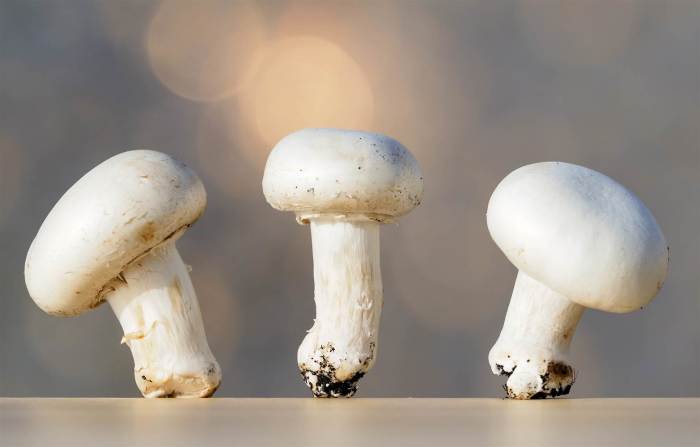
When it comes to cultivating mushrooms, there are various techniques available to choose from. These techniques include using mushroom kits, inoculating substrate, or growing mushrooms from spores.
Using Mushroom Kits
One method for growing mushrooms is by using mushroom kits, which are pre-packaged with all the necessary materials for cultivation. These kits typically include a substrate, mycelium, and instructions for proper care.
Inoculating Substrate
Another technique involves inoculating a substrate with mushroom spores or mycelium. This process requires sterilizing the substrate to prevent contamination and then introducing the spores or mycelium for growth.
Growing Mushrooms from Spores
Growing mushrooms from spores is a more advanced technique that involves creating a spore syringe to inoculate a substrate. This method requires careful attention to sterile conditions to ensure successful growth.
Preparing the Substrate
Before inoculating the substrate, it is essential to prepare it properly. This involves sterilizing the substrate to eliminate any competing organisms that could hinder mushroom growth. Common substrates include straw, sawdust, or compost.
Maintenance Schedule for Mushroom Crop
Once the substrate is inoculated, it is crucial to maintain the proper conditions for mushroom growth. This includes monitoring temperature, humidity, and light exposure. Additionally, regular watering and ventilation are necessary to ensure a healthy crop. A maintenance schedule should be followed from inoculation to harvest to maximize yield.
Wrap-Up
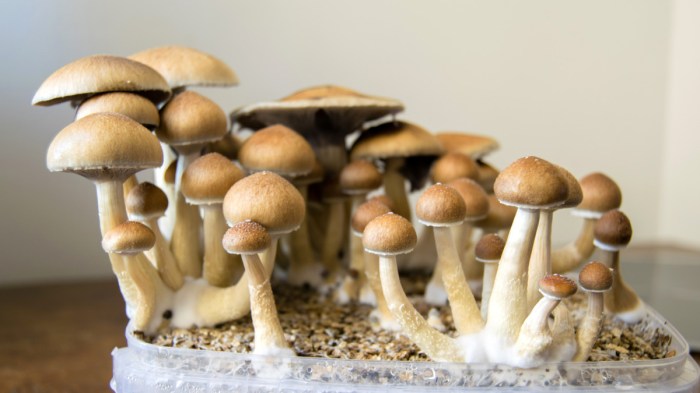
Elevate your culinary experience by cultivating your own mushrooms at home. With the right knowledge and tools, you can enjoy a bountiful harvest rich in flavor and nutrients. Start your mushroom-growing adventure today!