Embark on a journey through the 9 Benefits of Growing Your Own Food, exploring how it can transform your lifestyle for the better. From improved health to financial savings, discover the advantages of cultivating your own produce in this informative guide.
Learn about the positive impact on your well-being and the environment as we delve into the world of home gardening and its numerous benefits.
Benefits of Growing Your Own Food
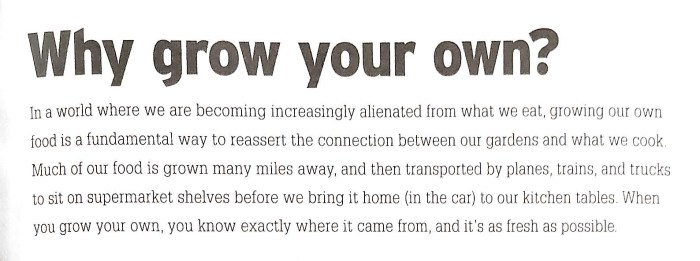
Growing your own food can lead to a healthier lifestyle by providing you with fresh, nutritious produce right at your fingertips. When you have control over what goes into your food, you can ensure that you are consuming the best quality ingredients for your body.
Examples of Nutritional Benefits
- Homegrown fruits and vegetables are packed with vitamins, minerals, and antioxidants that are essential for overall health and well-being.
- By picking produce at its peak ripeness, you can enjoy maximum flavor and nutritional value, unlike store-bought options that may have been harvested early for transportation purposes.
- Organic gardening practices can further enhance the nutritional content of your food by avoiding synthetic chemicals and fertilizers.
Reduced Exposure to Harmful Chemicals
- Growing your own food allows you to control the use of pesticides and herbicides, reducing your exposure to harmful chemicals that are often found in conventional produce.
- By opting for organic gardening methods, you can eliminate the risk of ingesting pesticide residues that have been linked to various health issues, including cancer and hormone disruption.
- Organic homegrown produce is not only safer for your health but also promotes environmental sustainability by supporting biodiversity and reducing chemical runoff into water sources.
Cost-Effective Nature of Growing Your Own Food
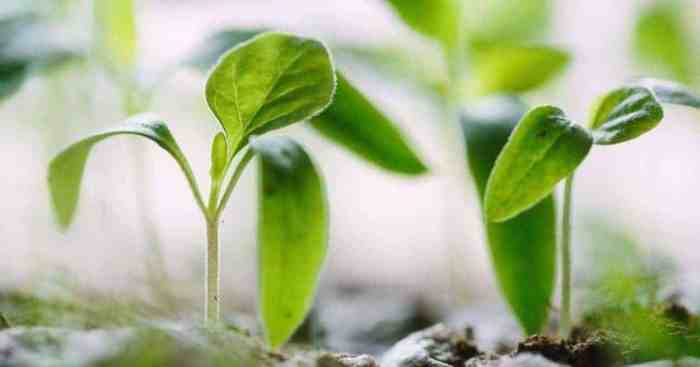
Growing your own food can be a cost-effective way to reduce your grocery bills and save money in the long run. By investing time and effort into cultivating your garden, you can enjoy fresh produce at a fraction of the cost of store-bought items. Let’s delve into the financial benefits of growing your own food.
Initial Investment for Starting a Home Garden
Setting up a home garden does require an initial investment in tools, seeds, soil, and possibly some gardening equipment. However, this initial cost is usually modest compared to the potential savings you can enjoy over time. By purchasing quality seeds and tools upfront, you can ensure a successful and bountiful harvest that will pay off in the long term.
Contribution to Overall Financial Savings
Homegrown produce can significantly contribute to overall financial savings by reducing your reliance on store-bought fruits and vegetables. Not only can you save money on groceries, but you can also cut down on transportation costs associated with frequent trips to the supermarket. Additionally, growing your own food allows you to control the use of pesticides and chemicals, potentially saving on healthcare costs in the future.
With careful planning and maintenance, a home garden can provide a sustainable source of nutritious food while helping you save money in the process.
Environmental Impact of Growing Your Own Food
Growing your own food can have a significant positive impact on the environment. By reducing the need for transportation of produce from farms to stores, you are helping to minimize carbon emissions and overall carbon footprint. Additionally, practicing organic gardening techniques can further benefit the environment by promoting biodiversity and reducing the use of harmful chemicals that can pollute soil and water sources.
Benefits of Organic Gardening Practices
- Organic gardening promotes healthy soil by using natural fertilizers and compost, which helps to maintain soil structure and fertility.
- It encourages beneficial insects and pollinators, such as bees and butterflies, which play a crucial role in maintaining a balanced ecosystem.
- Organic gardening reduces the exposure of wildlife and water sources to harmful pesticides, thus protecting the overall environment.
Sustainable Gardening Techniques
- Implementing rainwater harvesting systems to collect and store rainwater for watering your plants can help conserve water resources.
- Companion planting, which involves growing different plants together to naturally repel pests or enhance growth, can reduce the need for chemical pesticides.
- Utilizing compost bins to recycle organic waste into nutrient-rich compost for your garden not only reduces landfill waste but also provides a sustainable source of fertilizer.
Final Thoughts
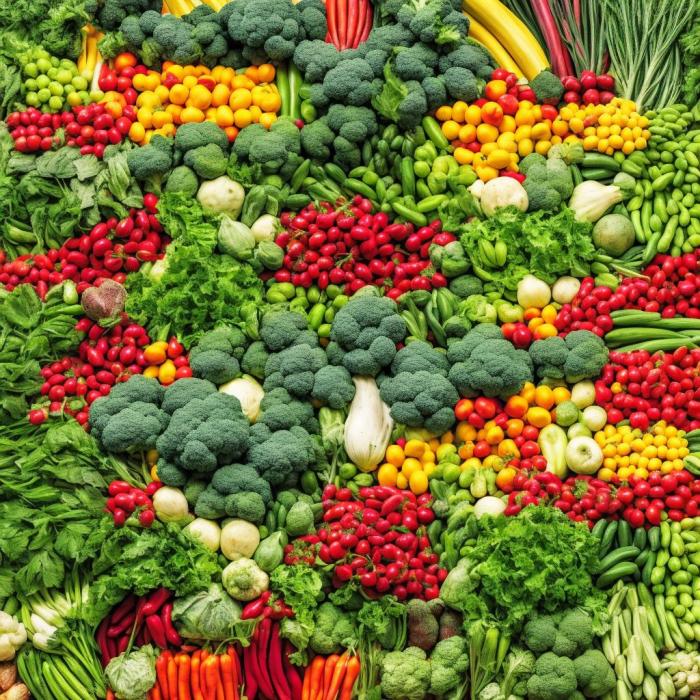
In conclusion, growing your own food not only enhances your health and saves you money but also contributes to a sustainable future. Embrace the rewards of homegrown produce and take a step towards a healthier, greener lifestyle today.