Embark on the journey of cultivating your own food in limited spaces with our guide on 3 Steps to Grow Your Own Food in a Small Space. From maximizing space to essential growing tips, this article dives deep into the world of urban gardening.
Discover the secrets to a thriving garden even with space constraints.
Importance of Growing Your Own Food in a Small Space
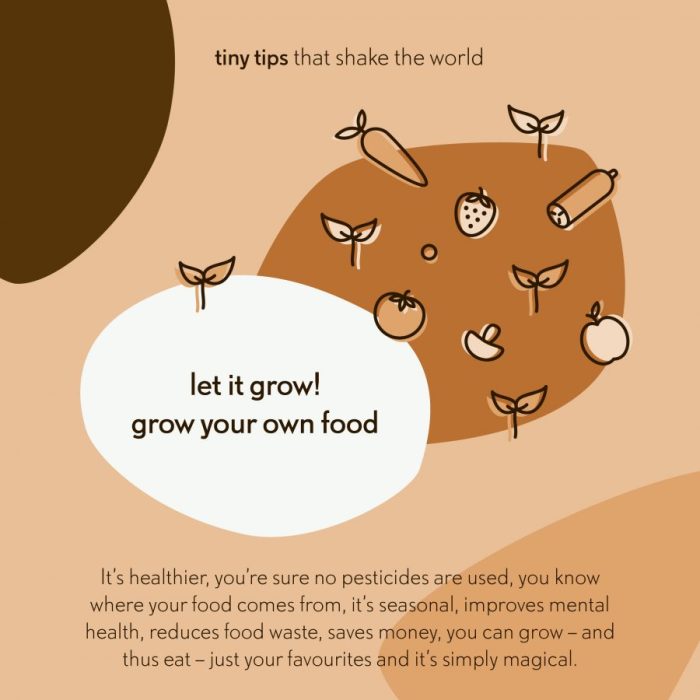
Growing your own food in a small space can have numerous benefits that extend beyond just having fresh produce at your fingertips. Let’s explore why it’s important to consider growing your own food in limited spaces.
Cost Savings and Environmental Benefits
By growing your own food in a small space, you can significantly reduce your grocery bills and save money in the long run. Additionally, cultivating your own fruits and vegetables can help minimize the carbon footprint associated with transporting produce from farms to stores. This sustainable practice contributes to environmental conservation and reduces the overall impact on the planet.
Satisfaction and Sense of Accomplishment
There is a unique satisfaction that comes from growing your own food. Witnessing the growth of plants from seeds to harvest can be incredibly rewarding and fulfilling. The sense of accomplishment that accompanies successfully growing your own fruits and vegetables is unmatched, providing a deeper connection to the food you consume and the earth it comes from.
Tips for Maximizing Space When Growing Your Own Food
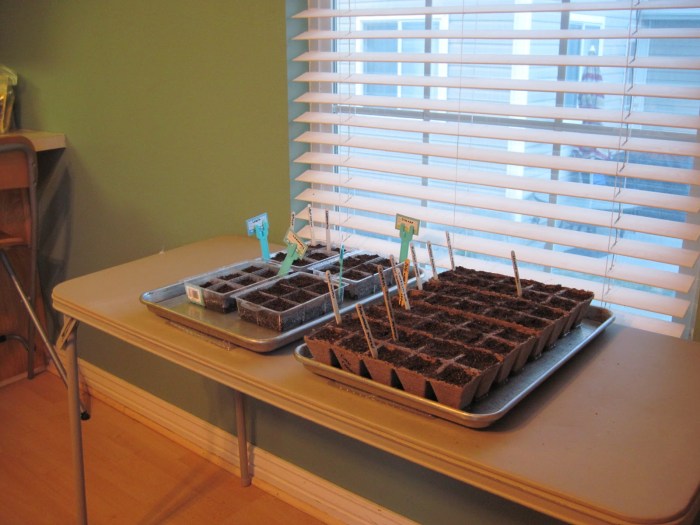
Growing your own food in a small space requires strategic planning to make the most out of the area you have available. Here are some tips to help you maximize space effectively:
Utilizing Vertical Space
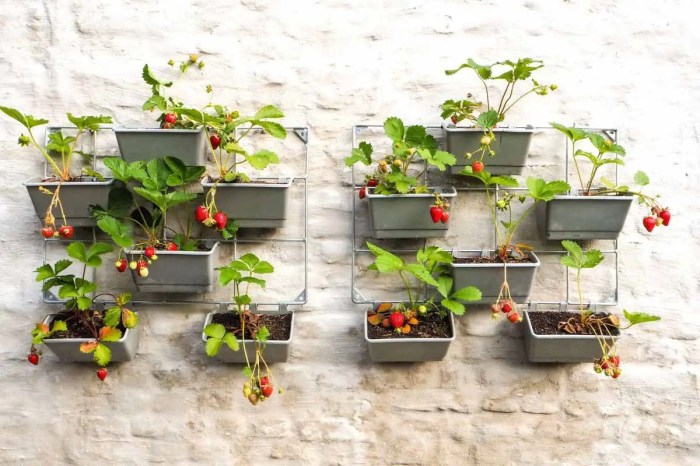
Vertical gardening is a great way to maximize space when growing your own food in a small area. By using trellises, hanging baskets, or wall-mounted planters, you can grow crops upwards instead of outwards. This not only saves space but also allows for better air circulation and sunlight exposure for your plants.
Companion Planting
Companion planting involves planting different crops together that benefit each other in various ways, such as deterring pests, enhancing growth, or maximizing space. For example, planting tall plants next to shorter ones can provide shade and support for the smaller plants, allowing you to grow more in the same area. Research companion planting combinations that work well together to make the most out of your space.
Container Gardening
Container gardening is a versatile method that can be adapted to different living situations, such as balconies, patios, or even indoors. Choose containers of various sizes and shapes to fit the available space and plant a variety of herbs, vegetables, or fruits. Make sure the containers have proper drainage and consider vertical stacking or hanging options to optimize space usage.
Essential Steps to Successfully Grow Your Own Food in a Small Space
When it comes to growing your own food in a small space, there are several essential steps that you need to follow to ensure successful growth and harvest.
Choosing the Right Plants for a Small Space Garden
One of the most important factors in a small space garden is choosing the right plants that are suitable for limited space. Opt for compact varieties of vegetables, herbs, or fruits that are well-suited for container gardening or vertical growing. This ensures that you can maximize the use of your space without overcrowding.
Proper Soil Preparation and Maintenance
The quality of soil in your small space garden plays a crucial role in the growth and health of your plants. Ensure that you use nutrient-rich soil and regularly replenish it with organic matter to provide essential nutrients for plant growth. Proper soil preparation and maintenance also help improve water retention, aeration, and drainage, which are vital for plant development.
Role of Sunlight, Water, and Nutrients
Sunlight, water, and nutrients are essential elements for the growth of plants in a limited space. Place your small space garden in an area that receives adequate sunlight for the plants to thrive. Ensure proper watering to meet the moisture needs of your plants without overwatering or underwatering. Additionally, provide a balanced supply of nutrients through organic fertilizers or compost to support healthy growth and abundant harvests.
Summary
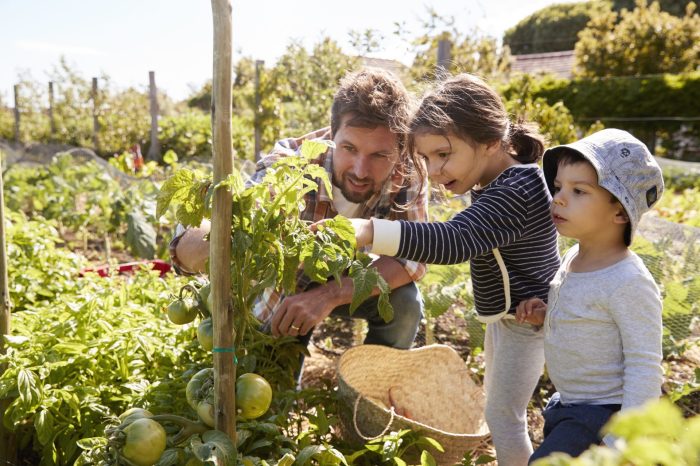
In conclusion, by following these steps, you can transform even the smallest spaces into bountiful gardens, reaping the rewards of homegrown produce. Start your urban gardening adventure today and witness the magic of growing your own food in a small space.