Embark on your herb-growing journey with 3 Simple Ways to Grow Your Own Herbs in Your Kitchen, exploring the joys of cultivating fresh greens right in your home.
Discover the secrets behind successful herb cultivation and how it can transform your culinary experience.
Benefits of Growing Herbs in Your Kitchen
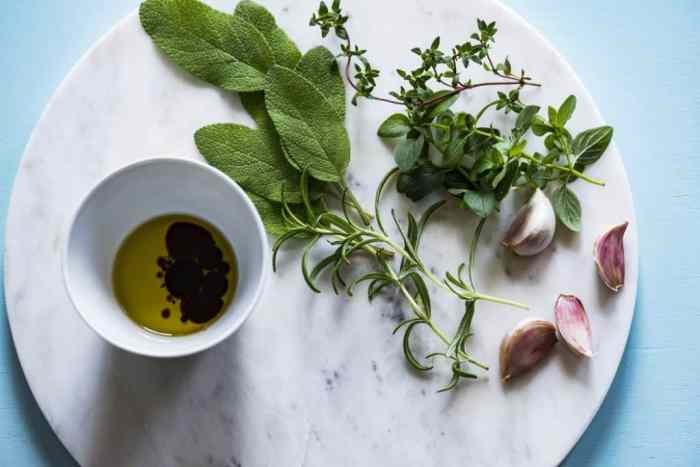
Growing herbs indoors can provide numerous benefits for both your cooking and overall well-being. Not only are they convenient to access while you’re preparing meals, but they also offer a range of advantages that can enhance your culinary experience.
Advantages of Using Fresh Herbs in Cooking
- Fresh herbs add vibrant flavors and aromas to dishes that dried herbs simply cannot match.
- They contain higher levels of essential oils, making them more potent in taste and fragrance.
- Using fresh herbs can elevate the overall quality of your dishes, impressing your family and guests.
Comparison between Fresh and Dried Herbs
- Fresh herbs retain their nutrients better than dried herbs, providing more health benefits.
- Dried herbs lose some of their flavor during the drying process, while fresh herbs offer a burst of freshness.
- While dried herbs have a longer shelf life, fresh herbs can be grown continuously in your kitchen for a more sustainable option.
Tips for Saving Money by Growing Herbs
- Buying fresh herbs from the store can be expensive, but growing your own can save you money in the long run.
- You can harvest only the amount you need, reducing waste and ensuring a fresh supply whenever you cook.
- By growing herbs at home, you eliminate the need to purchase packaged herbs, leading to cost savings over time.
Essential Herbs for Indoor Cultivation
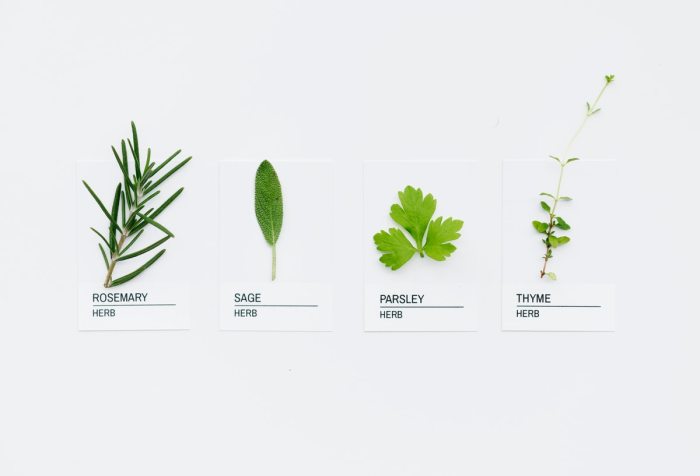
Growing herbs in your kitchen can be a rewarding experience, providing fresh flavors and aromas to enhance your cooking. Here are some popular herbs that thrive in a kitchen environment, along with ideal growing conditions and care tips for each one.
Basil
- Basil is a versatile herb commonly used in Italian cuisine.
- Ideal growing conditions include bright, indirect sunlight and well-draining soil.
- Water regularly, allowing the soil to dry out slightly between waterings.
- Pinch off flowers to encourage leaf growth and prevent the plant from going to seed.
Parsley
- Parsley is a biennial herb that is rich in vitamins and minerals.
- Grow parsley in a sunny location with moist, well-drained soil.
- Keep the soil consistently moist but not waterlogged.
- Harvest outer leaves first to promote continued growth.
Mint
- Mint is a fast-growing herb that adds a refreshing touch to beverages and dishes.
- Place mint in a partially shaded area with moist soil.
- Water regularly to keep the soil consistently moist.
- Trim back overgrown stems to encourage bushier growth.
Practical Tips for Growing Herbs at Home

Growing herbs in your kitchen can be a rewarding experience that adds freshness and flavor to your cooking. To ensure success, follow these practical tips for growing herbs at home.
Setting up a Herb Garden in Your Kitchen
Start by choosing a sunny spot near a window for your herb garden. Gather pots with drainage holes, quality potting soil, and your favorite herb seeds or starter plants. Plant the herbs according to their individual spacing requirements and water thoroughly after planting. Place the pots on a tray to catch excess water and rotate them regularly to ensure even growth.
Common Mistakes to Avoid When Growing Herbs Indoors
- Overwatering: Herbs prefer well-drained soil, so avoid waterlogged conditions that can lead to root rot.
- Insufficient Light: Ensure your herbs receive at least 6-8 hours of sunlight per day or supplement with a grow light.
- Neglecting Pruning: Regularly trim your herbs to encourage bushier growth and prevent them from becoming leggy.
- Using the Wrong Container: Choose pots that are the right size for your herbs and have proper drainage to prevent water buildup.
Schedule for Watering, Pruning, and Harvesting Herbs
Water your herbs when the top inch of soil feels dry to the touch, but be careful not to overwater. Prune your herbs regularly to promote new growth and prevent them from flowering. Harvest herbs in the morning when their flavor is at its peak, using sharp scissors to cut just above a set of leaves.
Final Review
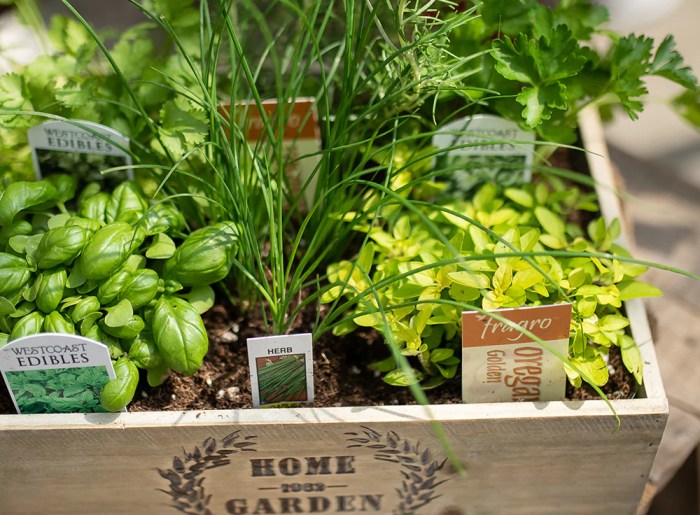
In conclusion, mastering these simple ways can elevate your dishes to new heights and bring the essence of nature into your kitchen effortlessly.