5 Proven Strategies to Grow Your Coaching Business sets the stage for this enthralling narrative, offering readers a glimpse into a story that is rich in detail with casual formal language style and brimming with originality from the outset.
In this comprehensive guide, we will delve into the core strategies that can propel your coaching business to new heights, exploring key aspects such as marketing, client relationships, and leveraging technology for growth.
Strategies for Marketing Your Coaching Business
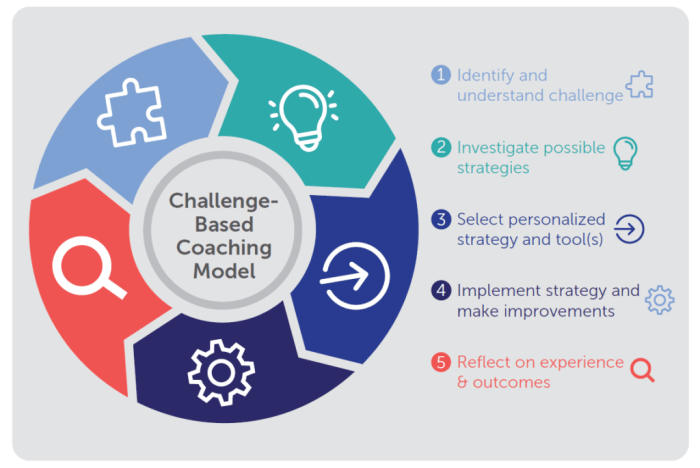
Marketing plays a crucial role in the success of any coaching business. Here are five effective strategies to help grow your coaching business:
1. Utilize Social Media Marketing
- Engage with your audience on platforms like Facebook, Instagram, and LinkedIn to build brand awareness.
- Create valuable content such as blog posts, videos, and infographics to showcase your expertise.
- Run targeted ads to reach potential clients and drive traffic to your coaching services.
2. Develop a Strong Brand Identity
- Define your unique selling proposition (USP) to differentiate yourself from competitors.
- Create a professional logo, website, and marketing materials that reflect your brand values.
- Consistently communicate your brand message across all channels to build trust and credibility.
3. Offer Free Workshops or Webinars
- Host virtual events to showcase your coaching expertise and attract potential clients.
- Provide valuable insights and actionable tips to position yourself as a thought leader in your niche.
- Collect email addresses during these events to nurture leads and convert them into paying clients.
4. Collaborate with Influencers or Partners
- Partner with influencers or industry experts to reach a wider audience and gain credibility.
- Co-create content or host joint webinars to leverage each other’s networks and expertise.
- Offer exclusive discounts or promotions to incentivize their followers to try your coaching services.
5. Implement Email Marketing Campaigns
- Build an email list of interested prospects and existing clients to stay top of mind.
- Send personalized newsletters, updates, and promotions to nurture relationships and drive conversions.
- Use email automation to streamline your communication process and save time while engaging with your audience.
Building Client Relationships and Retention

Establishing trust and rapport with coaching clients is crucial for building a successful coaching business. It is important to create a safe and supportive environment where clients feel comfortable sharing their thoughts and feelings. Here are some tips for maintaining long-term relationships with clients:
Provide Personalized Attention
- Take the time to understand each client’s unique needs and goals.
- Offer personalized coaching sessions tailored to their specific challenges and aspirations.
- Show genuine interest in their progress and well-being.
Communicate Effectively
- Listen actively and attentively to your clients.
- Encourage open and honest communication.
- Be clear and transparent in your coaching approach.
Deliver Results
- Help clients achieve tangible and meaningful outcomes.
- Celebrate their successes and milestones along the way.
- Provide ongoing support and guidance to keep them motivated.
Solicit Feedback and Testimonials
- Regularly ask for feedback to improve your coaching services.
- Request testimonials from satisfied clients to showcase your expertise.
- Use client testimonials to build credibility and attract new clients.
Leveraging Technology for Business Growth

In today’s digital age, leveraging technology is essential for the growth and success of any coaching business. By utilizing online platforms and tools, coaches can reach a wider audience, streamline their operations, and offer more personalized services to their clients.
Online Platforms for Coaching Services
- Utilize social media platforms like Facebook, Instagram, and LinkedIn to promote your coaching services and connect with potential clients.
- Create a professional website to showcase your expertise, services, and client testimonials.
- Consider joining coaching marketplaces or online directories to increase your visibility and attract new clients.
Tools and Software for Managing Coaching Businesses
- Invest in customer relationship management (CRM) software to organize client data, track interactions, and manage appointments effectively.
- Use online scheduling tools to streamline the booking process and ensure efficient time management.
- Explore video conferencing platforms like Zoom or Skype for virtual coaching sessions and webinars.
Benefits of Offering Virtual Coaching Sessions and Webinars
- Reach clients globally without geographical limitations, expanding your client base and revenue potential.
- Provide flexibility for clients to schedule sessions at their convenience, increasing client satisfaction and retention.
- Reduce overhead costs associated with in-person meetings, such as travel expenses and office rent.
Outcome Summary

As we wrap up our exploration of the 5 Proven Strategies to Grow Your Coaching Business, it’s evident that success in this field hinges on a combination of effective marketing, strong client relationships, and embracing technological advancements. By implementing these strategies, you are well-positioned to expand your coaching business and reach new levels of success.