Embark on a journey to discover the world of indoor herb gardening with “8 Simple Steps to Grow Your Own Herbs Indoors.” Learn how to cultivate aromatic herbs right in your home with this comprehensive guide.
Explore the benefits, setup tips, and maintenance techniques to kickstart your indoor herb garden today.
Importance of Growing Herbs Indoors
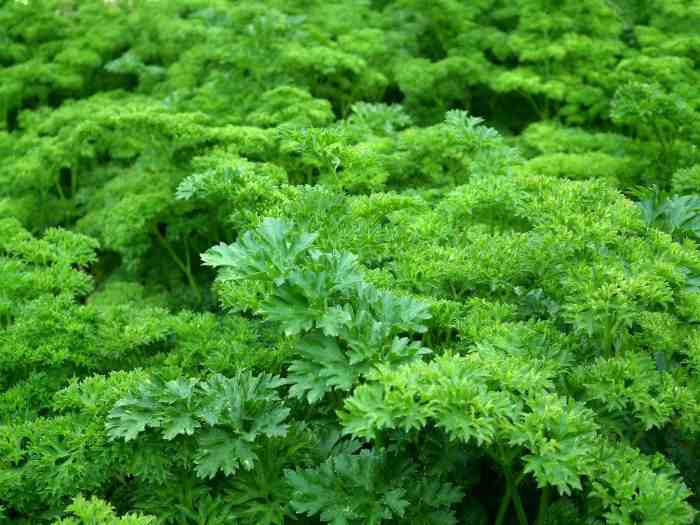
Growing herbs indoors offers a range of benefits for both seasoned chefs and novice cooks alike. Not only does it provide a convenient and cost-effective way to access fresh herbs year-round, but it also allows you to enhance the flavor of your dishes with homegrown ingredients.
Enhancing Cooking Experiences
Having a mini herb garden in your kitchen can completely transform your cooking experience. Imagine being able to snip fresh basil, rosemary, or mint directly from your indoor garden and add them to your dishes right before serving. The vibrant flavors and aromas of freshly picked herbs can elevate the taste of your meals to a whole new level.
Selecting the Best Herbs for Indoor Growth
- Choose herbs that thrive in indoor environments, such as basil, parsley, chives, mint, and cilantro.
- Consider the amount of sunlight your indoor space receives and select herbs that match those lighting conditions.
- Opt for compact herb varieties that are well-suited for container gardening, making them ideal for growing indoors.
- Ensure proper drainage and use well-draining soil to prevent waterlogged roots and promote healthy herb growth.
Setting Up Your Indoor Herb Garden
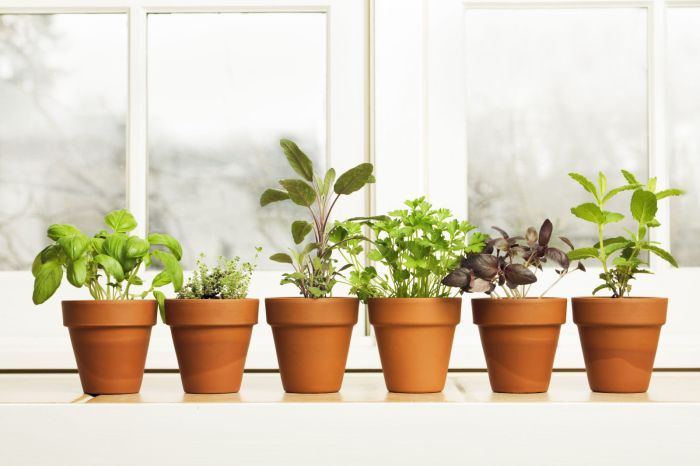
When it comes to setting up your indoor herb garden, there are a few key factors to consider in order to ensure the successful growth of your herbs.
Choosing the Right Containers for Herbs
- Opt for containers with drainage holes to prevent waterlogging and root rot.
- Consider the size of the container based on the herb’s root system for proper growth.
- Use food-safe containers or pots made of materials like terracotta, ceramic, or plastic.
Ideal Location for Placing Indoor Herb Gardens
- Place your indoor herb garden in a location that receives at least 6-8 hours of sunlight per day.
- Avoid placing the herbs near air vents or drafts, as they can cause stress to the plants.
- Ensure the area is well-ventilated to prevent humidity build-up and fungal growth.
Importance of Proper Lighting and Watering
- Provide adequate artificial light if natural sunlight is insufficient for your herbs.
- Monitor the soil moisture levels regularly and water the herbs when the top inch of soil feels dry to the touch.
- Avoid overwatering as it can lead to root rot, and ensure proper drainage in the containers.
Maintaining and Harvesting Herbs Indoors
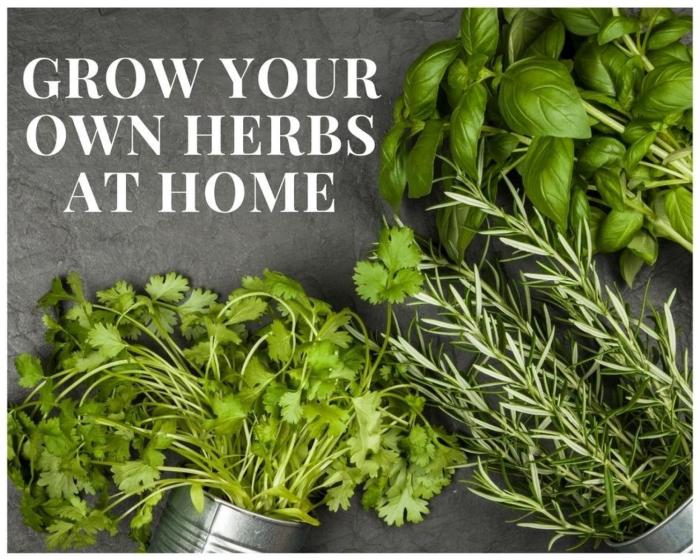
To ensure the continuous growth and health of your indoor herb garden, it is essential to establish a proper care routine and know how to address common issues like pests and diseases. Additionally, harvesting your herbs correctly is crucial to promote new growth and maintain the overall health of the plants.
Care Routine for Indoor Herbs
- Watering: Herbs should be watered when the top inch of soil feels dry to the touch. Avoid overwatering, as this can lead to root rot.
- Light: Place your herb garden in a location that receives at least 6-8 hours of sunlight per day or use grow lights to supplement natural light.
- Fertilizing: Use a balanced liquid fertilizer every 2-4 weeks to provide essential nutrients for healthy growth.
- Pruning: Regularly trim your herbs to promote bushier growth and prevent them from becoming leggy.
Common Issues and Solutions
- Pests: Keep an eye out for common indoor herb pests like aphids, spider mites, and whiteflies. Use insecticidal soap or neem oil to control infestations.
- Diseases: Prevent fungal diseases by ensuring good air circulation around your plants and avoiding overhead watering. Remove any infected leaves promptly.
Harvesting Herbs
- Harvesting: Regularly harvest your herbs by snipping off the top leaves, leaving at least 1/3 of the plant to continue growing. This will encourage new growth and prevent the plant from becoming woody.
- Timing: Herbs are most flavorful when harvested in the morning after the dew has dried but before the sun gets too hot.
- Storage: Store harvested herbs in airtight containers or freeze them for later use to preserve their flavor and aroma.
Last Point
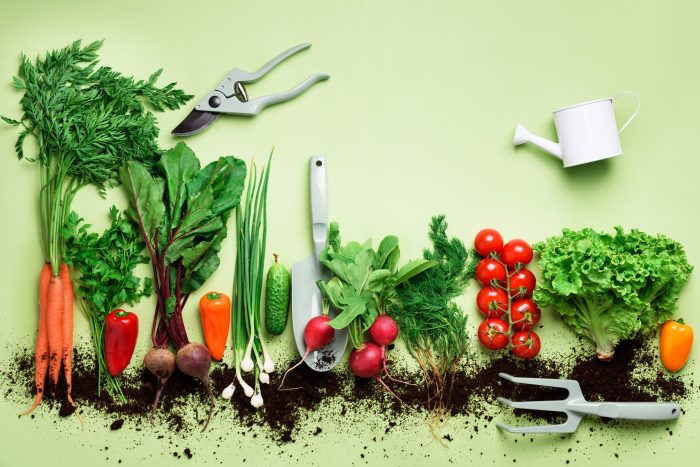
In conclusion, mastering these 8 simple steps will empower you to enjoy a bountiful harvest of fresh herbs year-round. Start your indoor herb garden and elevate your culinary creations with nature’s finest flavors.